Can You Really Change the World Starting With One Choice?
The world feels broken, but what if the solution isn’t out there—it’s within you? Every thought, every reaction, every choice shapes…

 Pop quiz, hot shot! What do cows drink? If you're like the vast majority of people, you probably just had the word "milk" flash in your brain.

Just because you have a thought doesn’t necessarily mean it is true. Most thoughts are just old circuits in your brain that have become hardwired by your repetitive volition. Thus, you have to ask yourself, “Is this thought true, or is it just what I think and believe while I am feeling this way?"
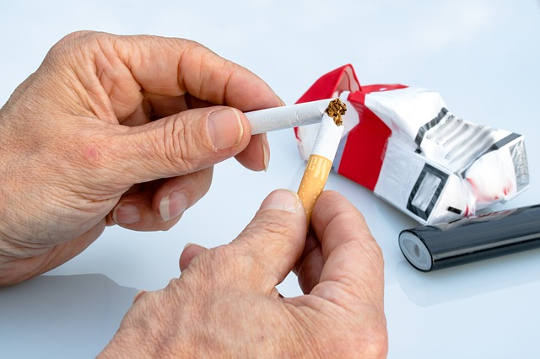 Quitting smoking is a popular New Year’s resolution—but many have trouble sticking with it. “Many people underestimate how difficult it is to not only quit smoking, but to maintain the change.”

Don’t let the past define the present. This is such an obvious idea that when I first encountered it my reaction was, “Of course! That’s not new information.” And then I promptly fell back into my normal way of seeing life that was through the lens of the past. I did this so unconsciously that I honestly didn’t see how powerful my attachment to the past had become over the years.
 Do you really have sovereignty over own your mind anymore? Tristan Harris, a design thinker and former ethicist at Google, points to how smart phones changed our contract with advertisers, and our relationship with reality.
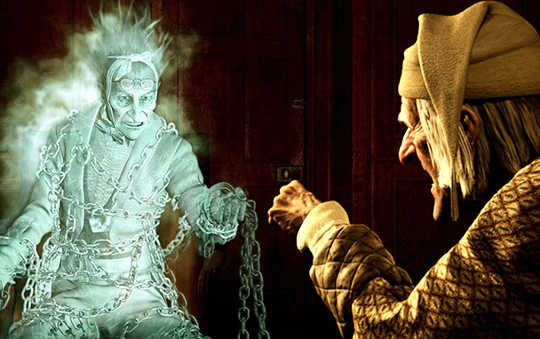
Charles Dickens' A Christmas Carol is often viewed as a critique of capitalism, but its true message highlights the importance of sympathy and responsibility among the wealthy. This article delves into the historical interpretations of the text and its evolving significance, especially in today's media-saturated environment, while examining how Dickens' work shaped the modern Christmas celebration.
 There's one brain bias that affects 80% of adults and it has a familiar name you may not expect: optimism. It can be hugely helpful in our social lives and in keeping us motivated even if the trade off is, at times, the denial of reality.
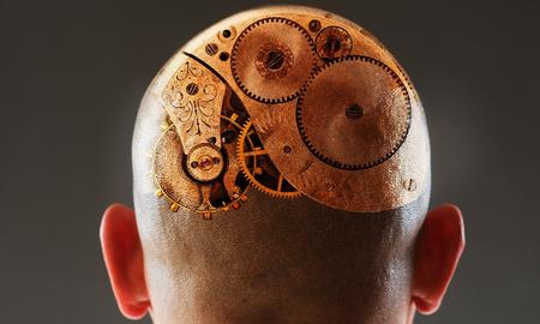 So in the early days, including from the time of Aristotle and later in the 16th and 17th century most of physiognomy consisted of this whimsical comparisons between the physiognomy of humans and animals.
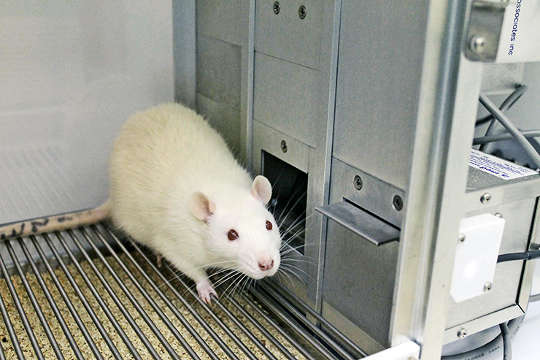 Motivation, rather than habit, drives addictive behavior in the face of adverse consequences and constantly changing circumstances, new research suggests. “We’re challenging the definition of addiction as a habit…”
 Being by yourself—even for just 15 minutes—may decrease your strong positive and negative emotions, and instead reduce stress and induce calm, a new study suggests.
 Mental health providers may want to take a closer look at including exercise in their patients’ treatment plans, a new study suggests. “Physical activity has been shown to be effective in alleviating mild to moderate depression and anxiety.”
 Twin research has led to all kinds incredible insights into an important mystery: nature vs. nurture or how the environment and our genes affect our health.
 The first step to connection is to open ourselves to the possibility that we can survive the hurts and failures that inevitably accompany our humanity and that of those around us. Self-protection, in the long run, is self-destruction. If we hide out long enough...
 A recent report showed there had been a steep rise in incidents of self harm among teenage girls. The findings, based on data from GP practices across the UK, show that self harm among girls aged 13 to 16 has risen by 68% in the past three years.
 Although the energy field of the heart has been proven to be quite powerful, in our culture today the voice of the heart is often muted or ignored altogether. When our heart’s intelligence isn’t activated, we can easily feel confused, or we may listen only to the voice of the head telling us what we should do.
 Almost everyone carries accumulations of old emotional pain, what Eckhart Tolle calls the “pain-body.” This pain-body feeds on what has happened in the past, and feeds on negative thinking and drama in relationships. Your joy-body stores family, ancestral, and collective joy. It feeds on positive, transporting experience.
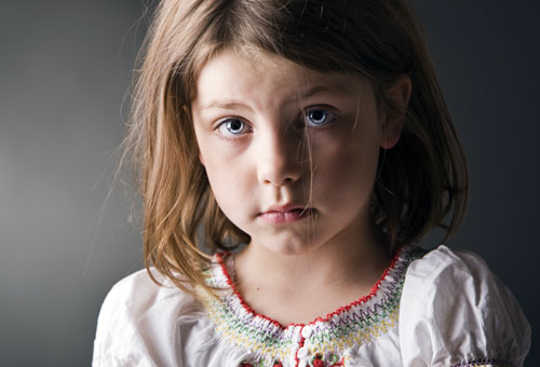 Child abuse and other traumatic childhood experiences may alter the brain, making the effects of trauma last into adulthood.
 When an event sobers us, it dashes cold water on our face to extricate us from the drunkenness of the meaningless activities we often engage in. We are awakened from the addictive behaviors we use to distract ourselves from our pain.
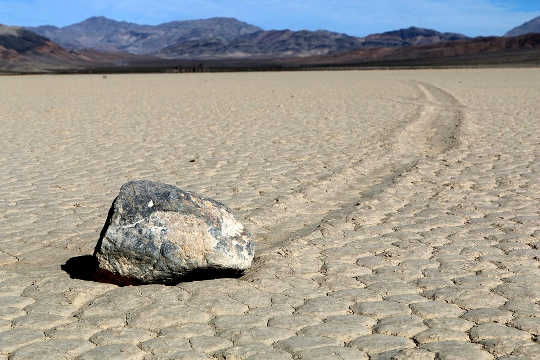 Backsliding comes with almost every new habit you're trying to ingrain. I call it the "Dwindle Effect" because the initial impetus to change an old habit can wane.
 What could I do to enhance the enjoyment or fulfillment of this action? Or, how would I relate to this action if my goal was to get as much enjoyment or fulfillment as possible out of it?

If you have trouble losing excess weight, it's likely that your body and mind are conspiring to keep that extra weight on you. When you're bored or sad or upset, the brain's natural tendency is to make the body do something to feel better, and food provides the immediate gratification.
 You may think that you love your child more than your best friend, or your husband more than the store clerk. But Love is one. It has no degrees and can’t really be separated into different forms.
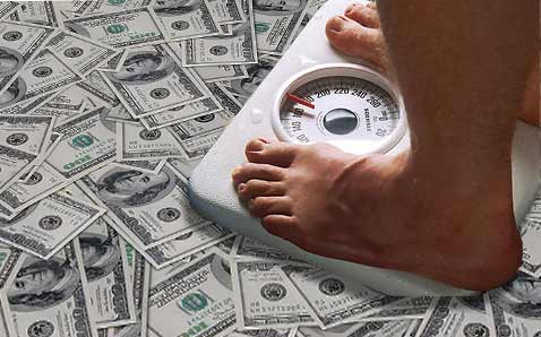 Selling access to rewards programs that offer cash for meeting weight loss goals may incentivize program participants to lose more weight, new research suggests.